Coffee Patterns: A Graphic Design Asset for Creative Projects
First Impressions of Coffee Patterns
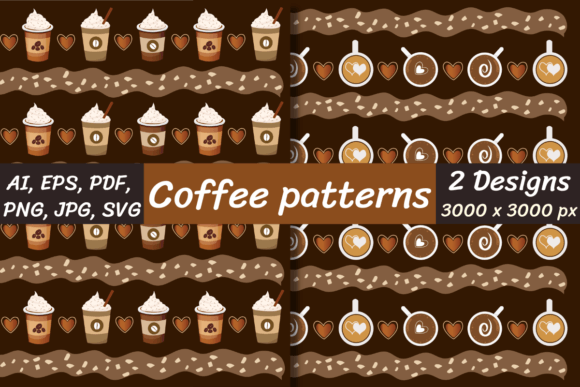
When I first opened the Coffee Patterns design bundle, the immediate visual appeal was undeniable. The coffee-themed graphics bring a warm, inviting mood to any project they're applied to. These patterns are not just decorative; they carry a sense of comfort and familiarity that aligns well with brands centered around lifestyle, home goods, or specialty products.
The style is modern yet nostalgic, blending clean lines with organic textures. This makes them particularly suitable for small businesses, handmade brands, or boutique product lines looking to add a personal touch without overwhelming the design. The high-quality files—SVG, EPS, PDF, JPG, PNG, AI—showcase the versatility of this graphic design asset across different platforms and mediums.
Applying Coffee Patterns in Real Client Work
Coffee Patterns can be an excellent addition to various creative projects. From packaging design to social media graphics, these digital papers offer a cohesive visual identity that enhances brand consistency. They work beautifully as background elements in product mockups, editorial designs, or even as part of a seasonal campaign theme.
For instance, when designing a branding package for a local café or a handmade mug line, integrating these coffee pattern backgrounds adds a thematic element that resonates with the target audience. They also serve as a great base for t-shirt design, stickers, and other merchandise that needs to stand out on retail shelves or online marketplaces like Etsy.
In web design, these patterns can act as hero graphics or subtle accents within blog visuals, creating a more polished look. When used in Canva templates or Cricut projects, they help elevate the overall aesthetic while maintaining a professional feel.
Where Coffee Patterns Shine
Coffee Patterns perform best in large layout areas where their intricate details can be fully appreciated. They’re ideal for hero sections on websites, product mockups, and printable wall art. Their texture-rich nature makes them perfect for themed collections, such as holiday campaigns or seasonal promotions, adding a layer of visual storytelling.
These design assets are also effective in marketing visuals, such as flyers, posters, and invitations. When paired with minimalist typography, they provide a balanced composition that doesn’t distract from key messaging but still adds character.
For print-on-demand sellers or those working on sublimation design, the high-resolution files ensure crisp output, whether it's for mugs, tote bags, or apparel. The inclusion of transparent PNG files means they can be layered over other elements without compromising quality.
Where to Use with Caution
While Coffee Patterns are visually appealing, they may not be the best fit for every project. In crowded layouts or designs requiring a very clean visual hierarchy, these patterns could overpower the content. They should be used sparingly in minimalist branding or corporate materials where simplicity is key.
Additionally, when using them in small sizes, such as icons or micro-interactions, the intricate details might get lost or appear cluttered. It’s essential to test how they render at different scales and ensure they maintain clarity across all applications.
Design Considerations Before Using Coffee Patterns
As a designer, there are several practical notes to consider before incorporating Coffee Patterns into a client project. First, test the design in black and white to assess contrast and readability. Ensure that the pattern works well on both light and dark backgrounds, as this will affect its usability in various contexts.
Previewing the patterns at both small and large sizes helps determine their adaptability. Placing them on real mockups, such as a t-shirt or packaging sample, gives a better sense of how they’ll look in the final product. Checking print quality is crucial for commercial use, especially if the design will be mass-produced.
Reviewing the file formats is also important. SVG and AI files allow for easy editing, which is beneficial for customizing the design further. For digital projects, ensuring PNG transparency is intact ensures seamless integration with other elements.
It’s also worth comparing the pattern with different font styles—serif, sans serif, script, handwritten, and display—to see how they interact. Finally, always confirm the commercial licensing terms before using the asset for a client or business project.
A Useful Creative Asset for Professional Design
Coffee Patterns represent a valuable addition to any designer’s toolkit, especially for those working with handmade businesses, small brands, or creative marketplaces. Their ability to enhance emotional appeal, boost audience engagement, and support brand recognition makes them a versatile choice for a wide range of design needs.
Whether you're working on a packaging design, social media graphics, or a Canva template, these patterns can help create a more polished and cohesive visual identity. As long as they’re used thoughtfully and tested thoroughly, Coffee Patterns can be a reliable resource for both digital and printable design projects.