Groovy 1970s Graphics and Patterns
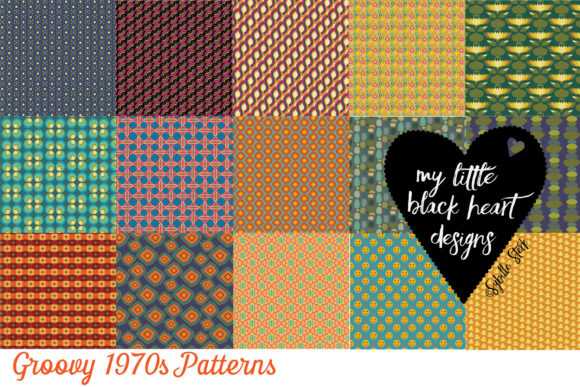
As someone who regularly creates digital products for Etsy, print-on-demand platforms, and creative marketplaces, I always look for assets that can quickly elevate the visual appeal of a product listing. Groovy 1970s Patterns caught my eye as another set to complete the 1970s trilogy. It includes 15 unique patterns plus the iconic objects used to create them—offering both ready-to-use designs and the tools to customize them even without Adobe software. This makes it an appealing choice for anyone looking to build a retro-themed product line.
A Nostalgic Mood with Modern Appeal
The first impression of Groovy 1970s Patterns is one of playful nostalgia. The designs are vibrant, colorful, and rich in geometric shapes and psychedelic influences. They evoke the essence of the 1970s while maintaining enough versatility to fit into modern aesthetics. This blend of retro charm and adaptability could attract buyers interested in vintage-inspired home decor, fashion, or stationery.
The overall mood is bold yet approachable. It’s not too overwhelming, which means it can be used in a variety of contexts—from small stickers to large wall art. The patterns feel commercial-ready, making them ideal for sellers targeting niche markets like handmade businesses, seasonal collections, or retro-themed brands.
Real-World Applications for Digital Sellers
Groovy 1970s Patterns can be applied across a wide range of sellable products. Here are some practical examples:
- SVG Products: Use these patterns in t-shirt graphics, mug designs, or tote bag prints where clean cutting lines are needed for Cricut or Silhouette projects.
- PNG Designs: Perfect for printable wall art, planner stickers, or greeting cards. The transparency options make them easy to layer on different backgrounds.
- Clipart Bundles: Pair these with other 70s-themed illustrations to create themed design bundles for Canva users or digital paper packs.
- Sublimation Designs: These bold colors and intricate details work well for sublimation onto fabric or mugs, giving a professional finish.
- Social Media Templates: Use the patterns in blog graphics, Instagram posts, or Facebook ads to add a cohesive visual identity to your brand.
Enhancing Product Presentation and Click-Through Potential
One of the biggest challenges for online sellers is creating visually appealing listings that stand out. Groovy 1970s Patterns can help with this by adding a sense of fun and creativity to your product mockups and thumbnails. When used in listing images, they can increase perceived value and customer trust.
These patterns also support visual storytelling. Whether you're selling a seasonal collection or a themed bundle, the retro vibe of Groovy 1970s Patterns can tie your products together and create a more engaging shopping experience. They’re especially useful for packaging design, brand identity, and small business branding efforts.
Where This Asset Works Best
Groovy 1970s Patterns shine in scenarios where bold visuals and thematic consistency are key. They are excellent for:
- Large Product Previews: Use them in product mockups to showcase how the design would look on actual items.
- Themed Bundles: Combine them with other 70s-style assets to create a cohesive design bundle for creative marketplaces.
- Digital Downloads: Ideal for sellers offering printable wall art, planners, or scrapbooking kits.
- Social Media Promos: Add a pop of color and character to promotional visuals or email campaigns.
Use with Caution in Certain Contexts
While Groovy 1970s Patterns are versatile, there are situations where they may not be the best fit. For example:
- Tiny Sticker Details: The intricate elements might not scale well for very small stickers or labels.
- Overly Complex Layouts: Using too many overlapping patterns could lead to a cluttered design.
- Low-Resolution Print Products: Always check the file resolution before using them in high-quality print jobs.
- Crowded Thumbnails: Avoid using them in marketplace thumbnails where clarity and simplicity are important.
Practical Seller Notes and Testing Tips
Before publishing any product featuring Groovy 1970s Patterns, it's essential to test them thoroughly. Here are some steps I recommend:
- Test on Real Mockups: See how the pattern looks when printed on various materials like fabric, paper, or plastic.
- Preview as Marketplace Thumbnail: Ensure the design still works well at smaller sizes without losing its visual impact.
- Check Background Compatibility: Test the PNG files on both white and dark backgrounds to confirm their versatility.
- Verify Print Colors: Confirm that the colors match when printed, especially if using them for sublimation or print-on-demand services.
- Inspect SVG Cut Quality: If using them for Cricut or Silhouette projects, ensure the cut lines are clean and precise.
- Confirm File Resolution: High-resolution files are crucial for print products and large-scale digital downloads.
- Organize Files Clearly: Provide clear instructions and organize the files so customers know how to use them effectively.
- Pair with Fonts: Experiment with pairing the patterns with serif, sans-serif, script, handwritten, or display fonts to enhance readability and style.
- Confirm Commercial Licensing: Always check the licensing terms before selling finished products to avoid legal issues.
Final Thoughts on Groovy 1970s Patterns
Groovy 1970s Patterns offer a solid foundation for building a retro-themed product line. With 15 unique patterns and the ability to create custom designs, they provide both convenience and flexibility. As a digital seller, I see great potential in using them for everything from print-on-demand products to Canva templates and social media graphics.
If you're looking to add a touch of 70s flair to your online shop, Groovy 1970s Patterns are worth testing. Just remember to evaluate their suitability for each product type and ensure they align with your brand’s visual identity and customer expectations.