Easter Patterns Review for Embroidery Projects
First Impressions: A Springtime Vibe in Every Stitch
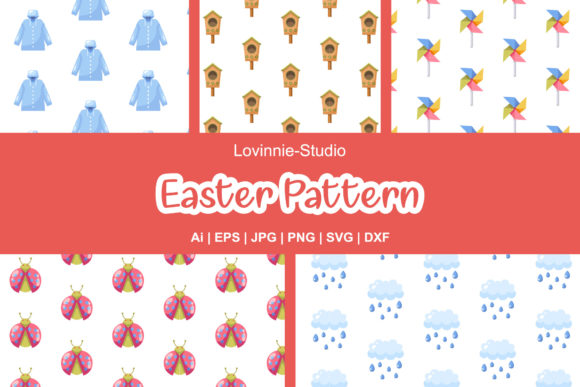
When I first opened the Easter Patterns file, I was immediately drawn to its cheerful and festive atmosphere. The design carries a light, springtime energy that feels perfect for seasonal projects. The layout is balanced with a mix of soft curves and playful motifs like bunnies, eggs, and floral accents. It’s not overly busy, which makes it versatile for both subtle and bold embroidery applications.
The detail level is just right—enough to add charm without overwhelming the fabric or stitch count. This makes it ideal for custom apparel, baby items, and even small patches where clarity and visual appeal are key. The color palette, while not specified in the product description, suggests that it would work well with a variety of thread color options, giving embroiderers flexibility in matching their project’s theme.
Real-Life Scenario: Designing an Easter Tote Bag
Let’s say I’m preparing a custom embroidered tote bag for a local boutique. I’d start by considering how Easter Patterns would look on a larger canvas. The 1920 x 1280 px size gives enough room for the design to be visible but also allows for scaling down if needed. I’d test the design on scrap fabric first, checking how the stitch density handles different fabric textures and how the pattern holds up under tension.
I’d also think about placement—would this design sit well on the front of a tote bag or as an accent on the side? The layout seems to lend itself naturally to a central feature, which could make it a standout element on a sweatshirt, tote, or apron. The use of fill stitches and satin stitch elements adds dimension, which is great for making the finished product feel more professional and handmade.
For a tote bag, I’d ensure that the design doesn’t have too many intricate details that might get lost when viewed from a distance. However, the current balance of detail and simplicity in Easter Patterns seems to handle this well, especially when using a good stabilizer and proper hoop size.
Where to Use with Caution
While Easter Patterns is a strong contender for most embroidery projects, there are some situations where extra care is needed. For instance, if I were to use it on a stretchy fabric like a t-shirt or a cap, the design might distort slightly unless stabilized properly. Small hoop sizes could also be a challenge, particularly for detailed corners or tight curves in the pattern.
Additionally, using this design on dark fabrics may require testing with different thread colors to maintain visibility. The contrast between the design and fabric background is crucial for ensuring the final product looks crisp and clean. If the design is used on layered garments or curved surfaces like caps, adjusting the stitch density and placement might be necessary to prevent puckering or misalignment.
Visual Appeal and Customer Engagement
Easter Patterns has the potential to elevate the visual appeal of any embroidered item. Whether it's a personalized gift, a boutique product, or a commercial embroidery project, this design brings a sense of celebration and joy that can resonate with customers. Its versatility means it can fit into various niches, from baby items to holiday gifts, making it a valuable asset for Etsy sellers, craft fair vendors, and small shop owners.
For handmade products, the design contributes to a polished and professional look, which is essential for building customer trust and brand consistency. When paired with high-quality stitching and proper presentation, Easter Patterns can significantly enhance the perceived value of the finished product.
Practical Embroidery Designer Notes
Before committing to a project using Easter Patterns, I always recommend testing the design on scrap fabric first. This helps identify any potential issues with stitch density or detail visibility. Checking thread color contrast against the intended fabric is also important, especially for darker or textured materials.
Reviewing the hoop size required for the design ensures that the embroidery machine can handle the project efficiently. Inspecting small details and testing the design in black and white mockups can help determine how well it translates to different fabric backgrounds. Using the right stabilizer is another key step in preventing distortion or fabric damage during the embroidery process.
Finally, confirming whether the design is suitable for both personal and commercial projects, and checking licensing terms before selling finished items or digital products, is crucial to avoid legal complications later on.
Easter Patterns offers a delightful blend of creativity and practicality that can bring life to a wide range of embroidery projects. Whether you're an Etsy seller, a small shop owner, or a hobbyist looking to create personalized gifts, this design has the potential to become a go-to asset in your creative toolkit.