Swirly Design Patterns Review for Embroidery Projects
A First Look at Swirly Design Patterns
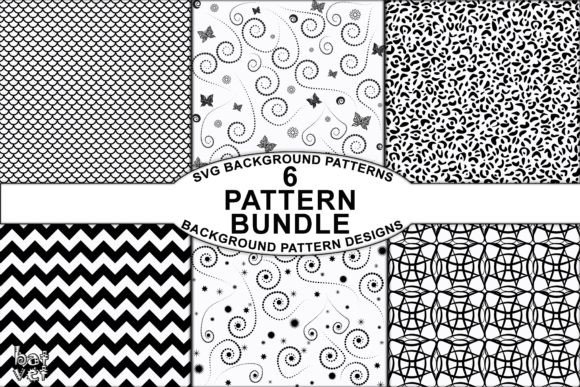
When I first opened the Swirly Design Patterns package, I was immediately drawn to the fluidity and elegance of the 18 swirly motifs included. The designs have a dreamy, organic feel that suggests movement and artistry. Each pattern is unique in its swirls and curves, yet they all share a common thread—delicate detail with a touch of sophistication.
The mood these patterns create is soft and whimsical, perfect for projects that require a sense of playfulness or elegance. They are not overly busy, which makes them adaptable to a wide range of embroidery applications. Whether you're looking to add a subtle accent or a bold focal point, these swirly designs offer versatility.
Real-Life Application: Custom Embroidered Tote Bag
Let's say I'm preparing a custom embroidered tote bag for a boutique client. The design needs to be eye-catching but not overwhelming. I would choose one of the larger swirly patterns and place it on the front panel. The gentle flow of the design complements the natural curve of the tote’s shape, making it look intentional and elegant.
These designs also work well as accents on smaller items like aprons or pillow covers. Their visual weight is balanced, so they don’t overpower the fabric or the overall composition. For a baby item, such as a onesie or blanket, the softer, more delicate swirls can add charm without being too intricate for a young audience.
One thing I noticed is how the machine embroidery design translates well onto different fabrics. On cotton, the stitches are crisp and clean. On linen, the texture adds depth to the swirling lines, giving the finished product a handcrafted feel. However, when using Swirly Design Patterns on stretchy or textured fabrics, some adjustments may be needed, like using a proper stabilizer to prevent distortion.
Where to Use with Caution
While these designs are beautiful, there are certain situations where they may need extra attention. For instance, if you plan to use them on small hoop sizes, some of the more elaborate swirls might get lost in scale. It’s important to test the embroidery file on scrap fabric before committing to a final product.
Similarly, when working with dark fabric, ensuring good thread color contrast is crucial. A light-colored thread on a black background might not show up as intended unless the design has enough density or the thread is bright enough. This is especially true for Swirly Design Patterns with fine details, where stitch clarity can be affected by fabric color and texture.
Products that require frequent washing, like aprons or tote bags, should be tested for durability. Using the right stabilizer and stitch density will help maintain the integrity of the design over time.
Design Impact and Practical Considerations
From a designer’s perspective, Swirly Design Patterns contribute significantly to the visual appeal of any project. They add character and personality, which can elevate the perceived value of handmade products. Whether it's a personalized gift, a commercial embroidery project, or an Etsy listing, these designs bring a level of professionalism that customers notice.
For craft business owners and Etsy sellers, using these patterns consistently across product lines can help build brand recognition. Their soft, flowing nature fits well with themes like bohemian, rustic, or vintage, offering a cohesive look across various items.
However, it’s always wise to check the licensing terms before selling any finished items or digital products. If the license allows for commercial use, then these patterns can become valuable design assets for your portfolio or shop.
Embroidery Designer Notes
Here are a few practical tips for using Swirly Design Patterns effectively:
- Test on scrap fabric: Always do a test run to see how the design looks and feels on your chosen material.
- Check thread color contrast: Especially important on dark or textured fabrics.
- Review stitch density: Adjust as needed for different fabric types and hoop sizes.
- Confirm hoop size: Ensure the design fits comfortably within your hoop to avoid distortion.
- Inspect small details: Some swirls may require closer inspection to ensure they stitch correctly.
- Use proper stabilizer: Especially on stretchy or thin fabrics to keep the design from puckering.
- Test in black and white mockups: To see how the design translates under different lighting conditions.
- Compare on light and dark backgrounds: Helps determine the best thread colors and placement.
- Check whether the design works for both personal and commercial projects: Make sure you understand the licensing terms.
Whether you're creating a custom apparel piece, a handmade product, or a small shop product, Swirly Design Patterns offer a great foundation to build upon. Their adaptability and visual appeal make them a solid choice for a variety of embroidery projects, from holiday embroidery to commercial embroidery.