Mushroom Patterns for Creative Design Projects
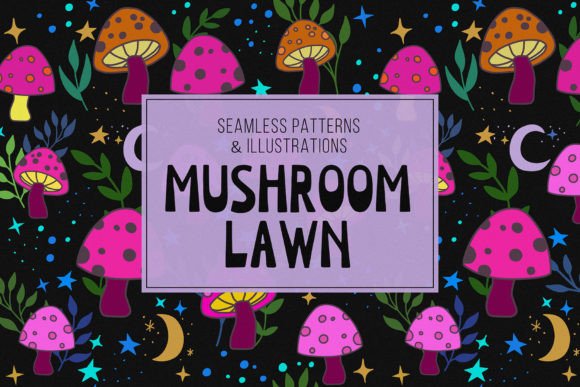
As a graphic designer with years of experience working on branding, packaging, and digital marketing visuals, I always look for design assets that can elevate a project's visual appeal without compromising professionalism. Recently, I had the chance to review Mushroom Patterns, a set of digital graphics that immediately caught my attention with its whimsical yet versatile aesthetic.
A Whimsical Visual Mood with Practical Applications
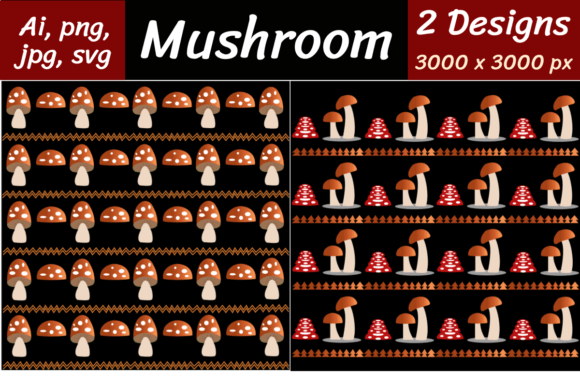
The first thing I noticed about Mushroom Patterns is the playful, nature-inspired mood it brings to any design. The mushroom motifs are stylized but not overly busy, making them suitable for a range of creative projects. Whether you're designing for a handmade brand, seasonal campaign, or boutique product line, these patterns add a touch of organic charm that feels fresh and approachable.
The style of Mushroom Patterns leans into a modern, slightly retro vibe—perfect for small businesses looking to create a unique brand identity that stands out in a crowded market. It’s especially well-suited for handmade businesses, Etsy shops, or print-on-demand sellers who want to infuse their products with a sense of warmth and creativity.
Where Mushroom Patterns Shine in Real Design Work
Mushroom Patterns has a lot of potential when used in larger layout areas. Think hero graphics for websites, product mockups, or decorative accents on packaging. These patterns work beautifully as background elements in social media posts, Pinterest pins, or Instagram stories, adding texture without overwhelming the content.
I found that they pair particularly well with handwritten fonts or script styles, enhancing the organic feel of the design. For example, using Mushroom Patterns as a backdrop for a local event poster or a handmade label can help create a cohesive and inviting visual theme.
They also function well as part of a themed collection, whether for a seasonal campaign or a branded merchandise line. When paired with sublimation designs or sticker designs, these patterns can bring a unique flair to t-shirts, mugs, tote bags, and other printable products.
Areas to Use with Caution
While Mushroom Patterns are incredibly versatile, there are certain situations where they may not be the best fit. In small sizes or crowded layouts, the details of the mushroom motifs might get lost or become distracting. This is especially important to consider when designing for mobile-responsive web pages or digital ads where clarity and readability are key.
Similarly, these patterns may not be ideal for minimalist branding or professional corporate materials. Their whimsical nature could clash with more formal or clean visual hierarchies. If your client requires a very polished or high-end look, it’s worth testing Mushroom Patterns in black and white first to see how they translate in monochrome settings.
Design Considerations for Commercial Use
Before using Mushroom Patterns for a real client project, there are several practical considerations to keep in mind. First, check the commercial license to ensure it's appropriate for your intended use. Next, inspect the file formats provided—there are AI, SVG, PNG, and JPEG files included, which gives flexibility for both vector and raster editing.
It’s essential to test the PNG transparency on different backgrounds to confirm it looks good against light and dark tones. Also, preview the patterns at both small and large sizes to make sure they maintain quality and don’t lose detail. Testing them on real product mockups or Cricut projects can give a better sense of how they perform in actual applications.
Another important step is to compare Mushroom Patterns with various font styles—serif, sans serif, script, and display—to ensure compatibility and balance within the overall design. Lastly, review the print quality if you plan to use these for print-on-demand or physical merchandise.
Why Mushroom Patterns Might Be a Valuable Asset
In the right context, Mushroom Patterns can be a valuable addition to any designer’s toolkit. They offer a unique way to inject personality into branding, packaging, and marketing visuals while maintaining a professional appearance. Their versatility makes them suitable for a wide range of creative design applications, from Canva templates to web design and editorial layouts.
For small business owners and entrepreneurs, these patterns can help differentiate their brand and create a memorable visual identity. When used thoughtfully, Mushroom Patterns can enhance emotional appeal, audience engagement, and the overall impression of a design project.
If you’re working on a project that needs a touch of nature-inspired charm, I would definitely recommend giving Mushroom Patterns a try. Just remember to test them thoroughly and use them in ways that complement your client’s brand voice and visual goals.